
I see a future where the best travel experiences require reservations 12–18 months in advance. Not because they’re expensive. Because AI made them discoverable.
AI tourism technology is projected to reach a market value of $1.2 billion by 2026. Everyone focuses on the convenience angle.
I’m watching something different emerge.
How I Predict AI Will Create Custom Experiences
Some people like it cold. Some people like it hot. I see AI will allow you to have a curated list of restaurants that fit your dietary needs. Imagine a world where AI recommends resorts, romantic getaways, and experiences that meet your preferences, like your room temperature at 72 degrees, Ethiopian cuisine preferences, or a romantic getaway for two, not family chaos for six.
This precision creates a custom experience of exactly what I’m looking for without the hassle of being able to go find it. No extra gas driving around looking for restaurants. No untouched hotel amenities. No oversized rooms.
The efficiency works on two levels. Personal convenience, yes. But more importantly, the environmental impact.
When AI knows I prefer small boutique hotels over chain brands, it stops recommending the usual suspects that dominate search results. Instead, it surfaces the hidden gems I never knew existed.
Bottom line: Surgical personalization versus a shotgun approach per traveler that delivers better experiences.
Explore luxury travel investments at Rêve Estates that align with this transformation.
What Happens When Hidden Gems Stop Being Hidden
This is where the economics get interesting. AI levels the playing field by pulling authentic destinations out of obscurity, but creates its own problem.
When everyone discovers the same hidden gems simultaneously, they stop being hidden.
I predict the first sign of this shift will be booking windows. Instead of planning trips a few months ahead, the best sustainable experiences will require 12–18 months’ advance notice.
Five-star Michelin restaurants with limited seating will book out years in advance. Small eco-lodges with 12 rooms will have waiting lists.
The pattern: AI-driven discovery creates scarcity for authentic experiences, extending booking timelines from months to over a year.
How Destinations Maintain Authenticity Under Pressure
Success becomes the enemy of what made these places special.
When AI drives unprecedented demand to a hidden gem, how does it maintain authenticity? The temptation is obvious: expand capacity, add rooms, and increase revenue. However, that destroys the very experience that initially attracted people.
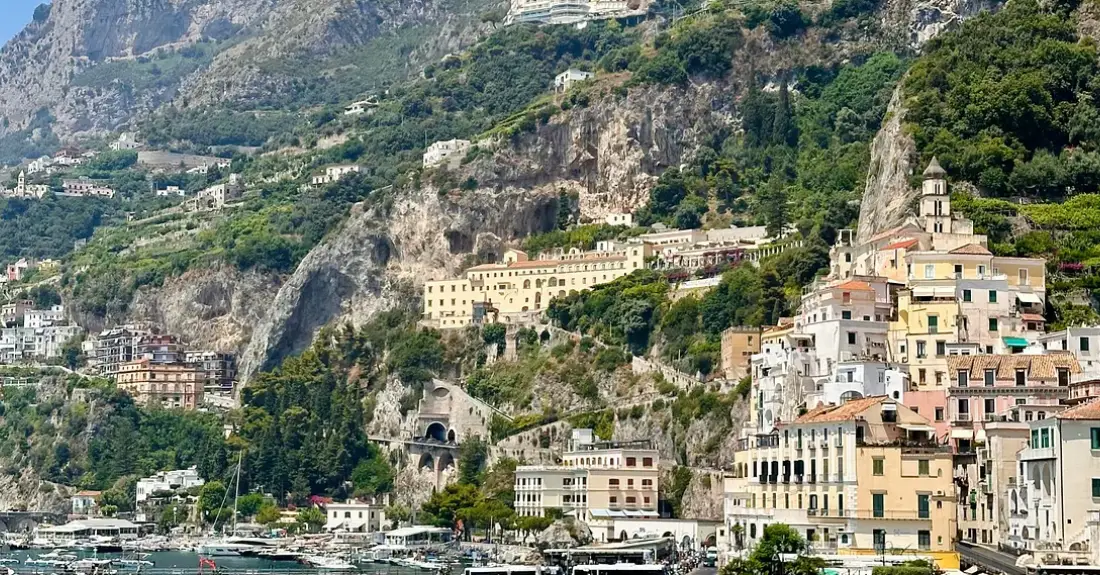
I believe the solution lies in redefining success metrics. Not revenue growth, but experience integrity by focusing on quality over quantity. Like the Amalfi Coast, the relatively unknown part of Italy is now one of the premier go-to travel destinations in the world.
Core principle: Maintaining authenticity becomes harder and harder the more well-known you become.
What New Success Metrics Look Like
The challenge becomes practical. How do you measure experience quality when investors want growth metrics?
I see operators having intimate knowledge of what their customers want and providing that without guesswork. This will lead to higher levels of customer satisfaction and increased demand. Some places will resist expansion entirely. They’ll choose scarcity as their competitive advantage. Others will franchise their approach rather than their location, like the Ritz-Carlton and Four Seasons. Teaching their service philosophy to new destinations instead of diluting their original site.
Key insight: Experience quality becomes measurable through satisfaction ratios, not just revenue multiples.
Accredited investors: discover opportunities in this evolving market.
The Economics Inversion Coming in the Coming Years
I expect a complete inversion of traditional tourism economics. Mass market destinations will compete on price and availability. Authentic experiences will compete on exclusivity and waitlists.
AI enables this split by matching travelers to experiences with surgical precision. No more settling for “good enough” because you didn’t know better options existed. The result is a tourism industry that finally aligns the operators’ economic incentives (high occupancy rates) with customers’ wants (value based on experiences). If an operator can create something memorable and unique, customers will be willing to pay more for the experience.
Destinations that preserve their authenticity become more valuable, not less. Quality experiences command premium pricing while using fewer resources. AI makes authenticity profitable.
The shift: Economic value moves from volume-based tourism to scarcity-based authentic experiences.
Investment Opportunity for Accredited Investors
The transformation of luxury travel from mass-market availability to experience-based scarcity creates compelling opportunities for sophisticated investors.
Reve Estates specializes in luxury travel investments that capitalize on this exact shift. Our fund focuses on authentic, high-quality destinations that prioritize experience integrity over capacity expansion.
We identify properties and experiences that are well-positioned to benefit from AI-driven discovery, while maintaining the authenticity that commands premium pricing. These investments align economic returns with sustainability principles, capturing value from the scarcity-based model emerging in the coming years.
For accredited investors interested in luxury travel opportunities: Visit Rêve Estates to explore our fund and learn how we’re positioning for the future of authentic travel experiences.